
A Closet of Problems
Is Your Child's Closet Working Against Them?
Children's closets are often designed with adult convenience in mind, not childhood independence. Take bifold doors, for example. While they're a space-saving favorite among builders, they create more problems than they solve for young users.
Bifold doors are notorious for jumping their tracks, leaving frustrated parents fumbling with repairs they never signed up for. When opening the closet feels like too much work, it quickly becomes a catch-all for things kids would rather ignore.
The problems don't stop at the door. Standard closet rods are installed at adult height, placing hanging clothes completely out of a child's reach. Without access to the rod, children can't independently put away their clothes—defeating the purpose of teaching responsibility and organization.

Simple Solutions That Make a Real Difference
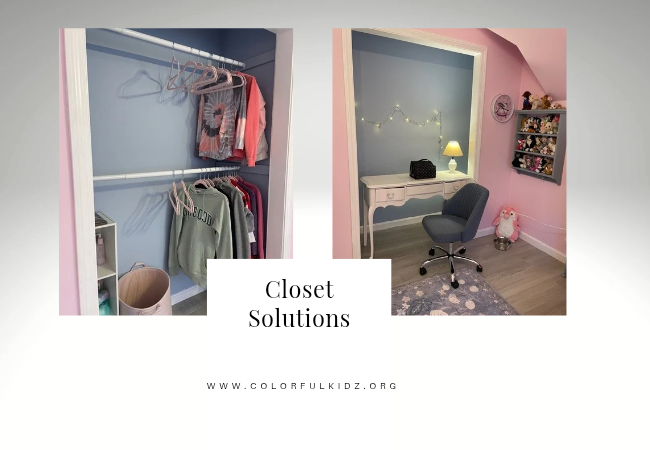
The fix is simpler than you might think. Install two closet rods at different heights—one low enough for your child to reach their everyday clothes, and another higher up for off-season items or special occasion outfits. This double-rod system puts independence within arm's reach.
But here's the game-changer: remove the door entirely. Children are visual learners who thrive on what they can see. An open closet keeps clothing visible and accessible, making it easier for kids to choose outfits and, more importantly, put things back where they belong.
Consider painting the closet interior a distinct color from the bedroom walls. This simple touch creates a defined zone that helps children understand the closet as its own organized space—a designated home for their belongings.
The Transformation
The Transformation Begins
Picture this: we walk into a room buried under layers of chaos. Toys spill from every corner, furniture drowns in clutter, and the floor?
Then the real work begins.
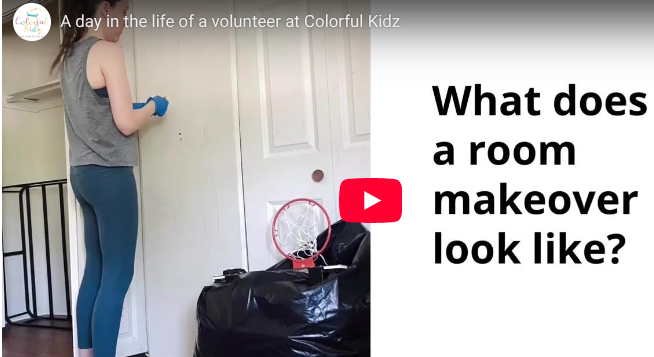
We roll up our sleeves and start deconstructing the chaos piece by piece. Furniture gets dismantled. Trash bags multiply like rabbits as we sort through years of accumulated stuff. We're on our hands and knees scrubbing floors that haven't seen daylight in months, wiping down walls that tell stories in smudges and mystery stains.
The Psychology of Less
Here's what most people don't realize: kids don't actually want more toys—they want space to breathe
Picture this: we walk into a room buried under layers of chaos. Toys spill from every corner, furniture drowns in clutter, and the floor?
Then the real work begins.
We roll up our sleeves and start deconstructing the chaos piece by piece. Furniture gets dismantled. Trash bags multiply like rabbits as we sort through years of accumulated stuff. We're on our hands and knees scrubbing floors that haven't seen daylight in months, wiping down walls that tell stories in smudges and mystery stains.
The Psychology of Less
Here's what most people don't realize: kids don't actually want more toys—they want space to breathe. When a child has mountains of possessions, their mind scatters. They flit from one thing to another, never fully engaging, never truly playing. But give them a curated selection? Magic happens. They focus. They imagine. They actually play.
So we work alongside the kids, helping them rediscover what they truly love. We're not just organizing—we're teaching them that less can be more, that a simplified space creates room for bigger dreams.
The Moment That Makes It All Worth It
After hours of scrubbing, sorting, and reimagining, we step back. The transformation is complete.
And then we see it: that smile. That wide-eyed wonder as they walk into a room that feels brand new. A space where they can finally see the floor, find their favorite book, and actually use that desk for the first time in years.
Parents tell us later that their kids sleep better in their refreshed rooms. The anxiety of visual clutter is gone. The overwhelm of too much stuff lifted.
We're not just cleaning rooms. We're giving kids a fresh start.